“Seller wants $2,400 for this Kobe refractor. Would you buy it?”
We’ll weigh the price, recent comps, eye appeal, rarity, liquidity, and downside risk.

Sports card advice • Your first two questions are free
Whether you’re buying your first graded card or evaluating a five-figure collectible, get an experienced collector’s perspective before you buy, grade, negotiate, sell, trade, or decide what a card is worth.
REAL CARD • REAL DECISION
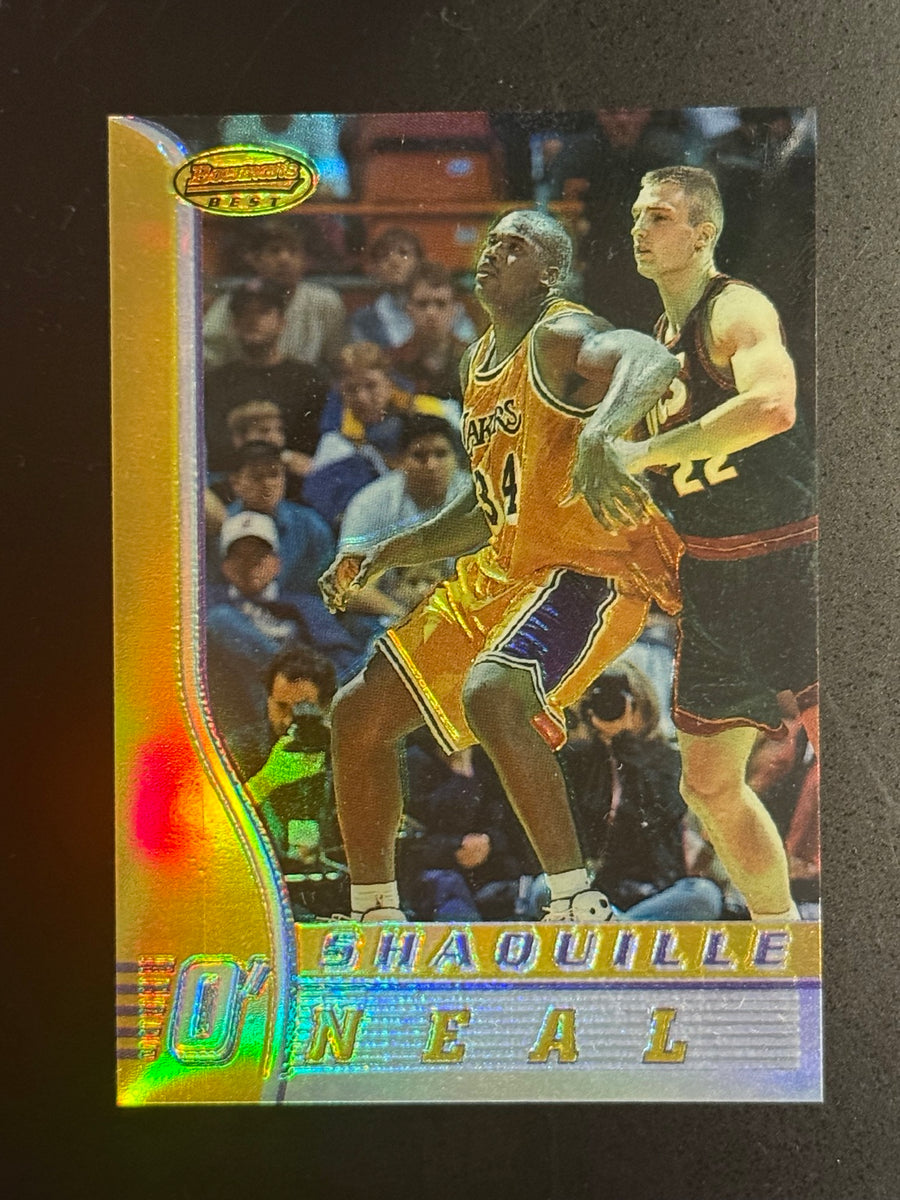
“Seller wants $300 for this raw Shaq refractor. Is Shaq a good buy? If so, is this copy worth grading?”
Recent raw sales have been around $260, while two PSA 9 copies sold for $520 and $540. If the surface is clean and greening is minimal, $300 is a reasonable price, though not a steal. This copy appears to be in good condition and could grade PSA 8 or higher. I’d offer $240 and go as high as $265. At $300, I’d pass rather than gamble on grading it. Shaq is a strong long-term buy because his popularity has staying power. Refractors from the 1990s like this one are highly collectible and should hold their value over time.
Example uses recent market sales to illustrate the kind of decision Card Advisor can help with; collectible prices change over time.
Real collector decisions
Add the card, your situation, and up to 10 photos. We’ll give you a direct recommendation and explain what matters.
We’ll weigh the price, recent comps, eye appeal, rarity, liquidity, and downside risk.
We’ll look at visible condition, grading economics, realistic outcomes, and whether the upside justifies the cost.
Use market context and comparable sales to frame a sensible opening offer, counteroffer, or walk-away point.
We’ll compare the offer with replacement difficulty, demand, liquidity, and your collecting goal.
Nearby grades, related parallels, adjacent sales, and market depth can still help frame a useful range.
We’ll compare quality, scarcity, liquidity, collector demand, and the trade-offs on both sides.
A mock collector question
MOCK ADVISOR REPLY
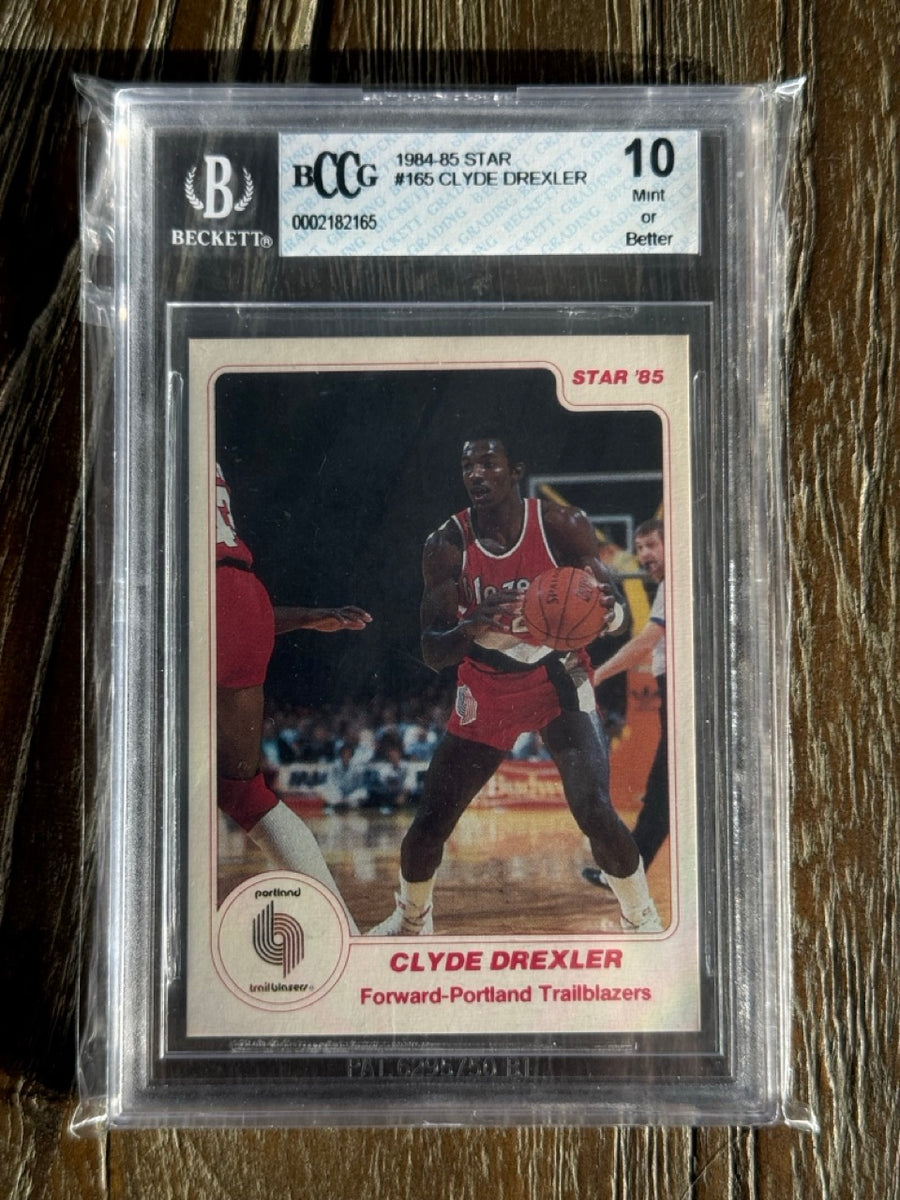
Recommendation: Pass at $450. I’d offer $225 and pay no more than $275.
No—a BCCG 10 should not be valued like a PSA 10 or BGS 10. BCCG and BGS used different grading standards, and Beckett no longer offers BCCG grading. BCCG 10 means “Mint or Better,” which could be comparable to a BGS 9 on paper. A new BGS grade is not guaranteed, though; the card could come back lower.
As far as recent sales comps, BGS 8.5 examples of this 1984 Star Clyde Drexler have sold around $200, while a BGS 9 sale went just under $400. That makes a $450 ask too aggressive for the BCCG holder.
I’d start near the lower end of the BGS 8.5 market and let the card’s condition justify any premium. Centering, print quality, corners, surface, and overall eye appeal matter more than the “10” on the label. This copy has strong centering and eye appeal, which is why I’d stretch a little above my opening offer.
Example pricing is based on recent sales and is shown to demonstrate Card Advisor’s decision process; market values change.
YOUR CARD, YOUR NEXT MOVE
Have a card with a confusing label or asking price? Send us the details and get a clear next move.
Where are you in the hobby?
Card Advisor is a sports card coach you can turn to whenever a decision comes up. As your collection grows, the questions change—and we’re here to help you think them through.
New to collecting
Sports cards have their own language, pricing quirks, grading ecosystem, and risks. Draw on 30 years of collecting experience to learn the basics and avoid costly early mistakes.
Active collector
Once you know the basics, the difficult part becomes deciding what deserves a premium, what is worth grading, and when a deal is actually attractive.
Advanced collector
Thin comps, low populations, crossovers, concentrated player collections, and five-figure cards often require judgment beyond a simple last-sale lookup.
Why a second opinion matters
Information is everywhere. Judgment comes from experience. After 30 years of collecting, we know which details matter for this card, at this price, and for the decision you’re facing.
Recent sales matter, but so do nearby grades, related cards, outlier comps, and how easily the card actually trades.
Condition, centering, eye appeal, surface issues, scarcity, and presentation can matter as much as the number in a comp database.
A cheaper card is not automatically the better buy, and a higher grade is not automatically the better collectible.
Use the available evidence to decide where to open, where to counter, and when the deal is no longer attractive.
Collecting + alternative-asset thinking
Some collectors buy entirely for enjoyment. Others also consider scarcity, long-term demand, liquidity, and potential appreciation. Many do both.
Card Advisor can help you examine the collectible itself — rarity, demand, replacement difficulty, market depth, downside risk, and how easy the card may be to sell again — without pretending future returns are guaranteed.
What makes one Michael Jordan card more desirable than another?
Is low population actually meaningful on this card?
How important is liquidity if I may want to sell later?
Vintage or modern — what are the trade-offs?
Is this collectible difficult enough to replace that paying a premium makes sense?
Collector opinions only. Card Advisor does not provide financial advice or promise investment returns.
Negotiation
Negotiation is easier when you have a reason for your number. We can help frame an opening offer, counteroffer, or walk-away point using the card’s actual market context.
Seller wants $2,400. What would be a reasonable first offer?
They countered at $2,150. Is that still attractive?
I’ve been offered $3,800 for my card. Should I counter?
How much negotiating room is realistic on a thinly traded card?
Does consolidating multiple cards into one justify paying a premium?
Considering a purchase or planning an offer? Get a second opinion before you commit.
Get 20 free creditsGrading decisions
Grading can add value, reduce uncertainty, or simply add cost. The right answer depends on the card and the realistic outcomes.
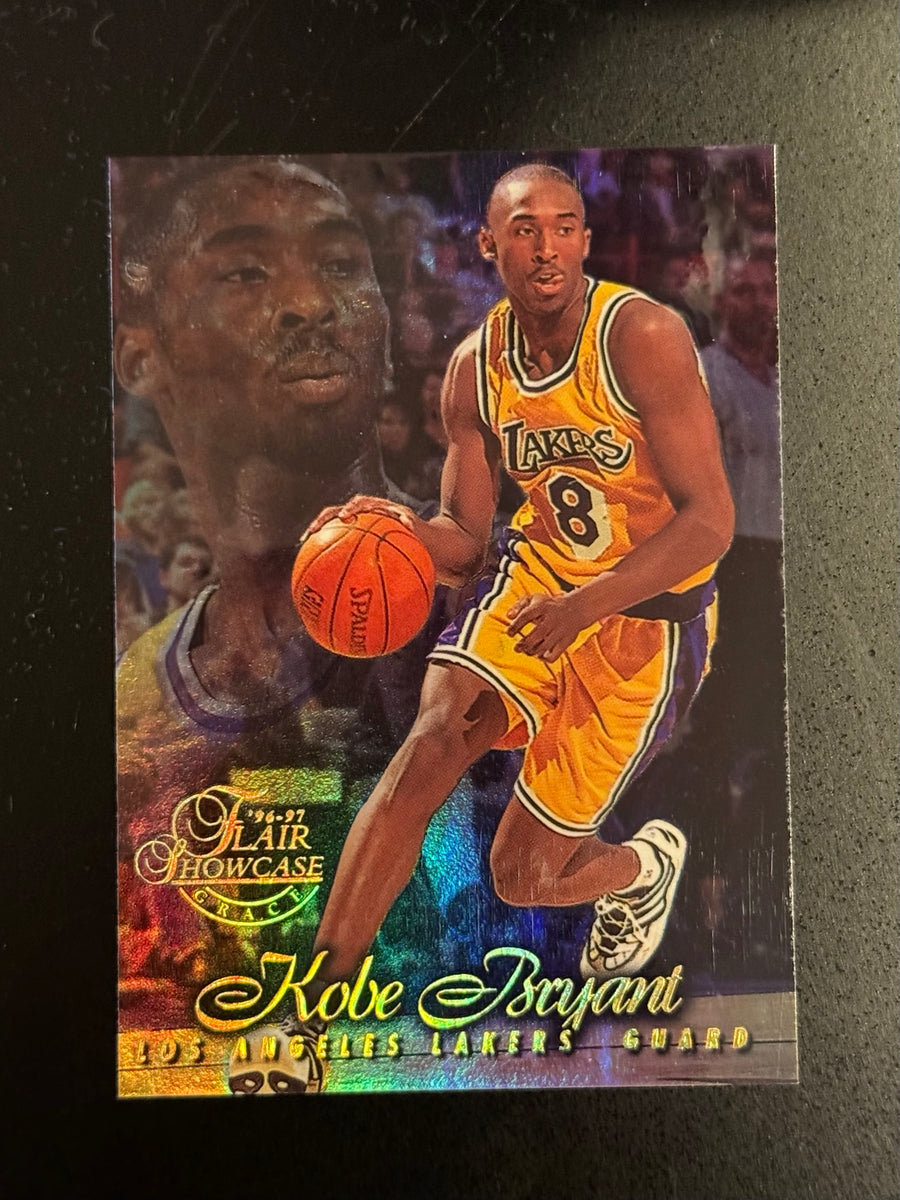
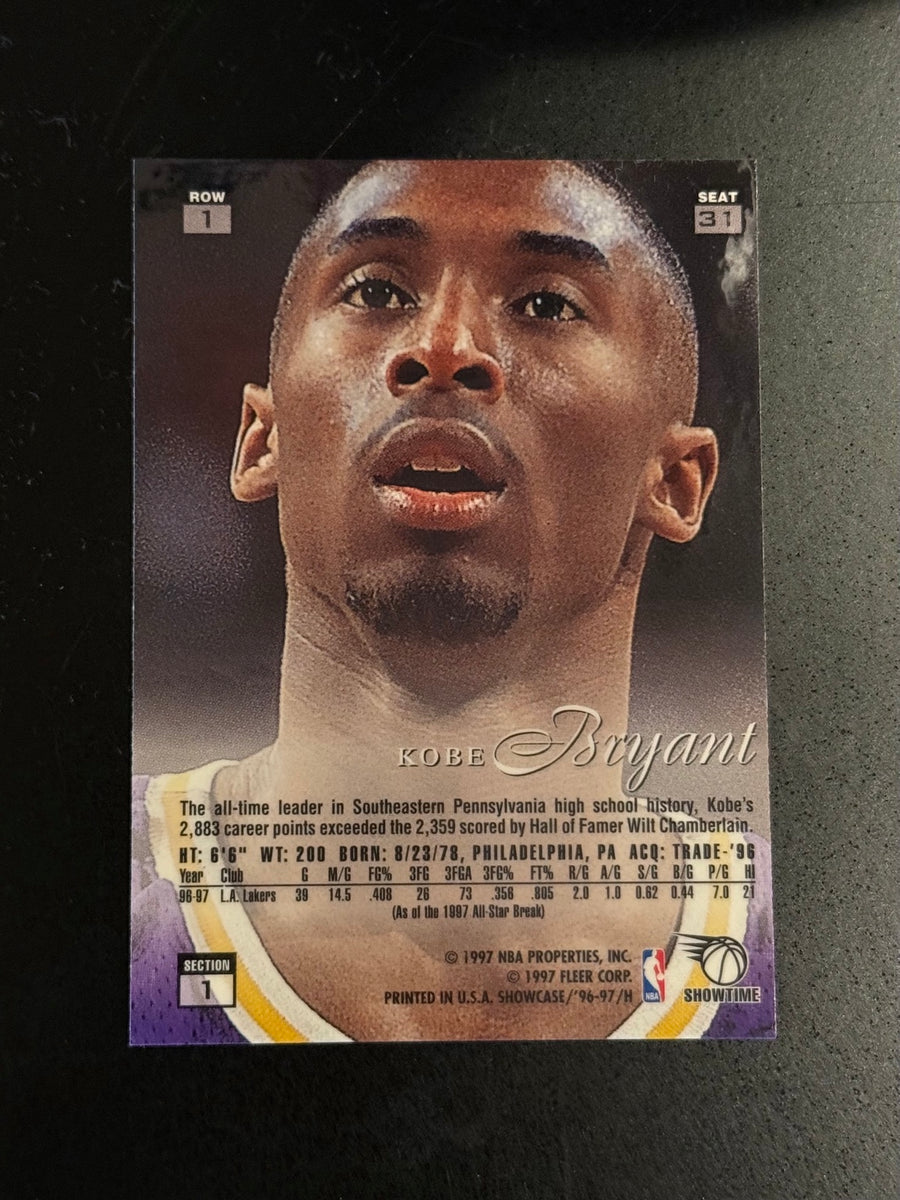
Example: “Would you grade this raw Kobe?”
Front-and-back photos help put visible condition, eye appeal, and grading economics into context.
Avoiding bad purchases
We can help evaluate a listing, seller information, pricing, and photos for obvious concerns and missing information.
Card Advisor is not an authentication service and cannot guarantee that a card is genuine.
What you actually get
A useful answer should help you make the decision, not just bury you in information.
Buy, pass, grade, hold, sell, negotiate, compare — whatever the question requires.
Why the price, condition, scarcity, liquidity, or risk changes the decision.
Recent sales, nearby grades, related cards, and other useful benchmarks when available.
A price target or action you can use when you make your decision.
How it works
Tell us what you’re considering and attach up to 10 photos.
Buying, grading, negotiating, selling, comparing, or something else.
A direct recommendation with the reasoning and next move.
Ready to ask about your card? Your first two standard questions are free.
Get 20 free creditsSimple pricing
Your first two standard questions are free.
Choose from multiple credit packages, with options starting at $25.
Standard questions use 10 credits, priority requests use 20 credits, and credits do not expire.
Start with 20 free credits — enough for your first two standard questions.
Get 20 free creditsCollector knowledge
Useful answers start with the right question. These are some of the decisions we help collectors think through.
It depends on the card’s raw value, realistic grade range, grading cost, turnaround time, and the value difference between raw and graded copies. A strong grading decision starts with the economics, not just the hope of receiving a top grade.
Recent comparable sales are the starting point, but grade, condition, parallel, serial numbering, eye appeal, and market liquidity can materially change the answer. Thinly traded cards often require nearby comps rather than one perfect sale.
Raw cards can offer more upside and more condition risk. Graded cards provide a third-party condition opinion and can be easier to compare, but buyers may pay a meaningful premium for that certainty.
A useful comp should be genuinely comparable: same card when possible, similar grade and condition, recent enough to reflect the current market, and not obviously distorted by an unusual venue or outlier sale.
Serial numbering is only one form of scarcity. Print run, surviving population, grade population, set difficulty, player demand, and how often the card actually appears for sale can all matter.
No. Low population only matters when collector demand exists. A card can be scarce and still have limited value if few collectors are actively competing for it.
Start with credible market evidence, understand the seller’s asking price relative to comps, and decide your walk-away point before negotiating. The goal is not to win every negotiation; it is to avoid overpaying for a replaceable opportunity.
Review the seller, listing quality, photos, payment protections, card details, and price relative to the market. When information is missing, ask for it before committing. Card Advisor can flag warning signs, but it is not an authentication service.
Some collectors consider scarcity, long-term demand, liquidity, and potential appreciation alongside enjoyment. Cards can also be volatile, illiquid, and difficult to value, so collectible-market risk should be part of the decision.
From the Only Greats blog
Not every card is worth buying, and a high grade doesn't always tell the whole story. These are real collecting decisions, with the cards and reasoning behind them.
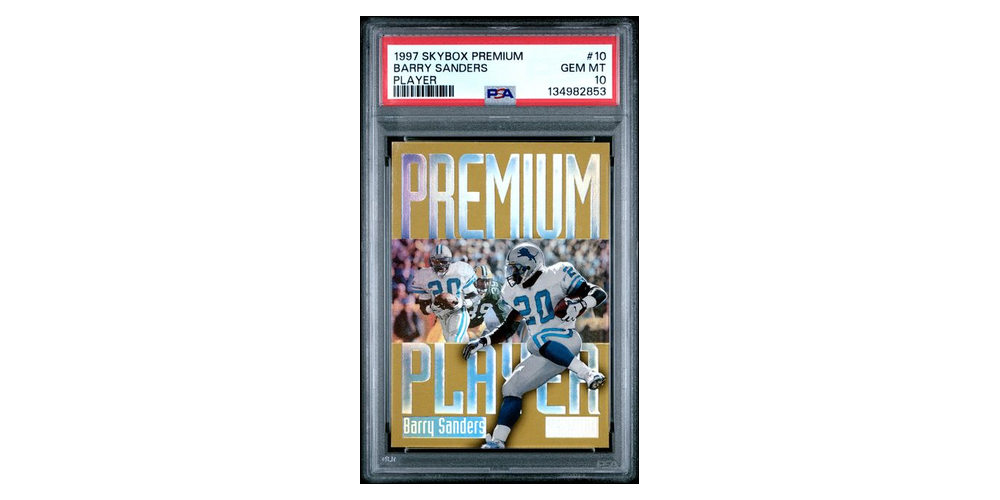
BUY
Why I bid up to $2,500 when the last sale was $1,350.
Read the decision
PASS
Why questionable edges and missing subgrades stopped this one before I checked comps.
Read the decisionYour first two standard questions are free
Send the card, the price, the photos, or the offer you’re considering. We’ll help you think through the decision.
Need it sooner? Choose Priority.